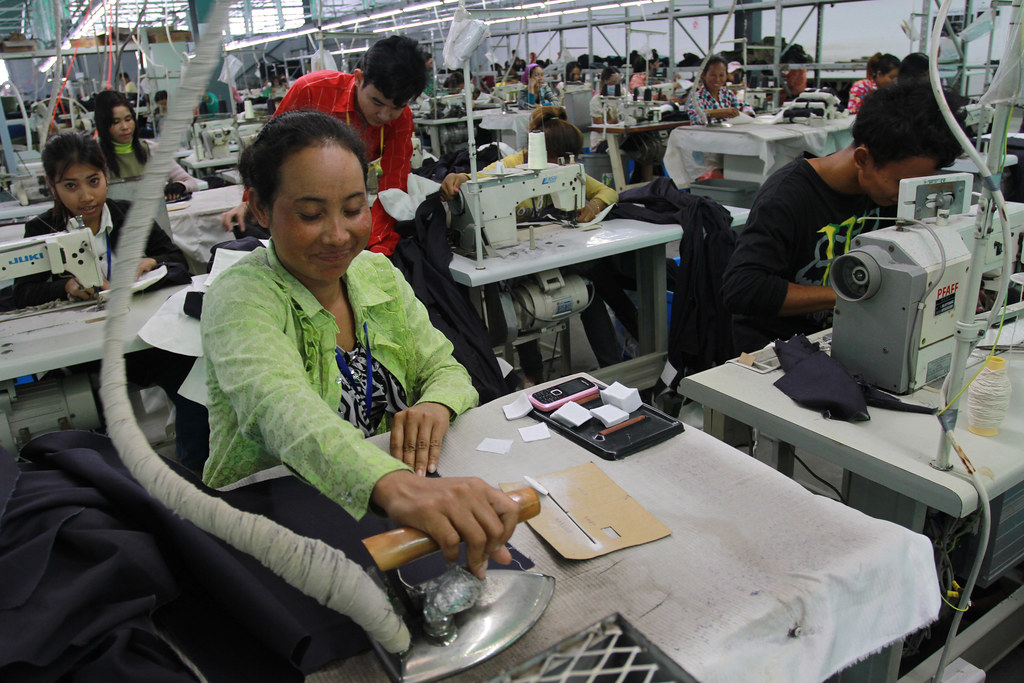
The Island of Bali, the captivating Indonesia’s island renowned for its awe-inspiring views, deep culture, and dynamic arts scene, is not solely a popular travel hotspot but also a center for the flourishing fashion trade. Bali’s fashion sector, often called as the “clothing heritage of Bali,” seamlessly integrates together heritage and modern influences, producing clothing that not just mirrors the locale’s heritage but additionally caters to contemporary fashion directions.
Central to the Bali Garment business rests the use of time-honored textiles. Balinese cultural textiles are famed for their intricate designs, vibrant colors, and meaningful cultural importance. Materials like “ikat” and “batik” hold a pivotal role within the island’s textile legacy, each communicating a unique narrative through the motifs and patterns crafted or engraved onto them. These fabrics go beyond mere pieces of cloth; they carry Bali’s historical background, beliefs, and rituals.
The garment trade in Bali stands out for its devotion to upholding artisanal artistry. Talented craftsmen, frequently engaging within their community communities, participate in complex methods that metamorphose raw materials into exquisite garments. From coloring and weaving to embroidery and decorative details, every stage in the formation of a Bali garment demonstrates the dedication these craftsmen possess toward their heritage.
While anchored in tradition, the Bali garment industry possesses effectively adapted to the requirements of the contemporary fashion scene. Designers and entrepreneurs cooperate to incorporate traditional textiles into up-to-date clothing designs, leading to one-of-a-kind pieces that are as well culturally rich and fashionable. This merging allows the sector to cater to both local markets looking for traditional wear and international audiences drawn to groundbreaking designs.
In the last few years, the Bali Garment industry has taken remarkable strides to attain sustainability and ethical production. With heightened global recognition of environmental and labor issues, a multitude of stakeholders in the field are adopting eco-friendly materials, ethical labor practices, and fair trade principles. This commitment not only guarantees the sustainability of the industry but also aligns with the island’s harmonious way of life.
While the Bali Garment industry showcases impressive endurance and adaptability, it is not without its challenges. Competition from mass-produced, cheaper alternatives constitutes a threat to the continuation of traditional practices. Additionally, the industry is required to navigate the complexities of intellectual property rights to safeguard its cultural assets from exploitation.
Nonetheless, these obstacles also open doors to innovation and collaboration. The ascension of e-commerce and digital platforms offers a worldwide stage for Bali’s unique garments. Collaborations between local artisans and international designers offer new perspectives and widen the industry’s reach.
During the Bali Garment industry continues to evolve, it is crucial to uphold a subtle balance between tradition and modernity. Initiatives to promote education and skill development within local communities can enable the next generation of artisans to sustain the legacy of traditional textiles and craftsmanship.
In conclusion, the Bali Garment industry stands as a testament to the island’s capability to embrace change while honoring its cultural roots. With its harmonious blend of tradition and contemporary aesthetics, this industry exemplifies the essence of Bali’s artistic and cultural heritage. During we witness its journey, it becomes evident that the Bali Garment is not only a piece of clothing, but a vibrant embodiment of history, creativity, and identity.
 Ilmu Berburu