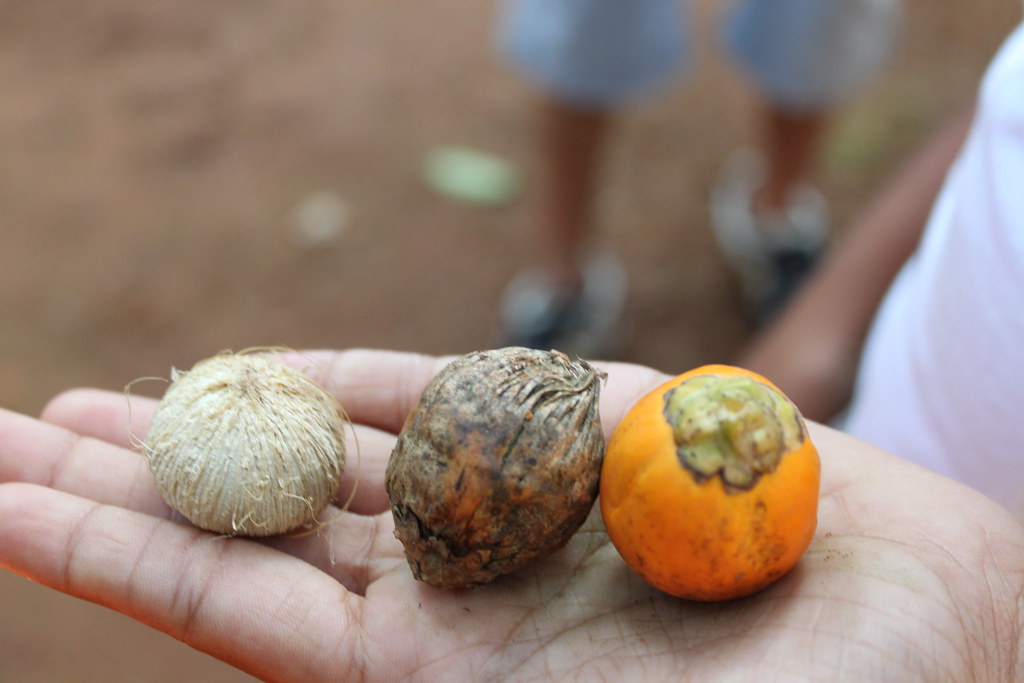
Areca nut, typically identified as Betel nut, represents the core of the Areca palm tree and plays an important function in the custom and economic structure of many Asian countries. The nut is consumed by chewing for its stimulant effects, particularly when paired with paan (a blend of betel leaf and hydrated lime) or nicotine. Indonesia as a country, as one of the main cultivators of betel nuts, has developed into a significant participant in the international commodity chain for this resource.
Throughout the nation of Indonesia, chewing betel seed, identified as “sirih pinang,” holds a rich history. It commonly utilized in rituals, social functions, and medical treatments. Within remote regions, especially in Sumatra, Kalimantan, and the island of Sulawesi, the practice of biting Areca seed remains strongly embedded. The Areca holds a symbolic and cultural role, frequently functioning as a symbol of warmth or featured in traditional ceremonies, for example weddings.
From an economic perspective, growing betel nuts supplies employment for countless subsistence farmers, notably in locations including the Aceh region, the province of West Sumatra, and Sulawesi’s northern provinces. For these communities, Areca nut serves as a significant commercial crop, enhancing their incomes and occupying a essential part in local economies.
The tropical climate of Indonesia’s tropical climate, fertile earth, and vast shorelines provide the best ecosystem for betel palm trees to prosper. The agricultural practice is straightforward and labor-intensive, entailing planting seedlings, maintaining palm groves, and collecting the betel nuts after about five years. Once harvested, the Areca nuts are typically dehydrated, heat-treated, or preserved, in accordance with the local customs and the economic demand.
The betel nut suppliers in Indonesia maintains a multifaceted supply network, including small-scale farmers, area traders, wholesalers, and exporters. In certain instances, Areca nuts are sold fresh, but frequently, they are dehydrated to secure a longer storage time and to fulfill the demands of global customers.
Global market demand for Areca palm seed, notably in nations such as India, Pakistan, Taiwan, and other parts of Southeast Asia, has been rising in the last few years. Areca nut is highly sought after in these areas, where chewing it is a longstanding custom, in spite of the rising knowledge of its potential health risks. India in particular is the top importer of Areca nuts from Indonesia. The seeds are processed in various forms, like whole Areca nuts, halved nuts, or ground form, based on the market requirements. The consumption of betel nut in traditional paan preparations is still common in the Indian subcontinent, and Indonesian Areca seed is commonly favored for its high grade and abundance.
Taiwan is another growing market for Indonesian Areca seeds, where the practice of chewing Areca nut is frequently observed, especially among gents in remote regions. Merchants from Taiwan prefer Indonesian betel nuts because of their reduced costs compared to domestic production. Regardless of the high earning potential of the betel nut business, suppliers from Indonesia face several challenges in broadening their sales territories and upgrading their supply chains.
Recently, scientific studies have associated the consistent consumption of betel nuts with cancers of the mouth and additional health concerns, eliciting worries about its potential risks. This has resulted in some places introducing tighter controls or even prohibitions on the sale and ingestion of Areca seed products. For example, the island of Taiwan has rolled out initiatives to curb the consumption of betel nuts in light of rising oral cancer cases. Suppliers from Indonesia, therefore, face the challenge of navigating these regulations while upholding their international markets.
Though the Areca nut industry in Indonesia is broad, it is missing standardized quality measures and standardization processes. This can create disparities in product quality, which harms its global standing. Several producers have initiated implementing more strict selection, ranking, and packaging methods to secure uniformity, but the entire industry still has space for growth.
In the same way as many agricultural products, the cultivation of betel nuts elicits concerns about deforestation and ecological damage. In some regions, Areca palm groves have grown into earlier tree-rich areas, leading to a decline in biodiversity and breakdown of ecosystems. Confronting these environmental concerns is vital for the enduring health of the market.
The country of Indonesia is certainly not the only country producing betel nut. Various Southeast Asian nations, such as Thailand, the Republic of the Union of Myanmar, and Sri Lanka, too have prosperous betel nut markets. Suppliers from Indonesia must keep a competitive edge by guaranteeing premium products, well-organized logistics, and advantageous pricing to maintain their share of the global market.
Despite the difficulties, the prospects remains hopeful for Indonesia’s betel nut industry. The global demand for betel nut is anticipated to remain strong due to the firmly established customs of buyers in important markets. So long as countries such as the country of India and Taiwan persist to seek high-quality betel seeds, producers in Indonesia are well-positioned to address this requirement.
To secure sustained growth, Indonesian Areca nut manufacturers are emphasizing innovating their manufacturing processes, refining standards of quality, and seeking additional markets. Some organizations are investing in innovative technologies and physical resources to simplify their operations and increase effectiveness. Additionally, there is a rising demand in sustainably produced and sustainably sourced products, which could offer new prospects for suppliers in Indonesia willing to integrate environmentally friendly methods.
The Indonesian betel nut industry is a significant player to both the national and global market. It supplies jobs to numerous small-scale farmers and meets the appetite of foreign markets, particularly in India and the island of Taiwan. However, issues such as health issues, regulatory challenges, and rivalry in the market must be addressed for the industry to thrive in the long run. By focusing on eco-friendliness, quality management, and advancements, Indonesian Areca nut manufacturers can persist to play a significant role in the global supply chain.
 Ilmu Berburu